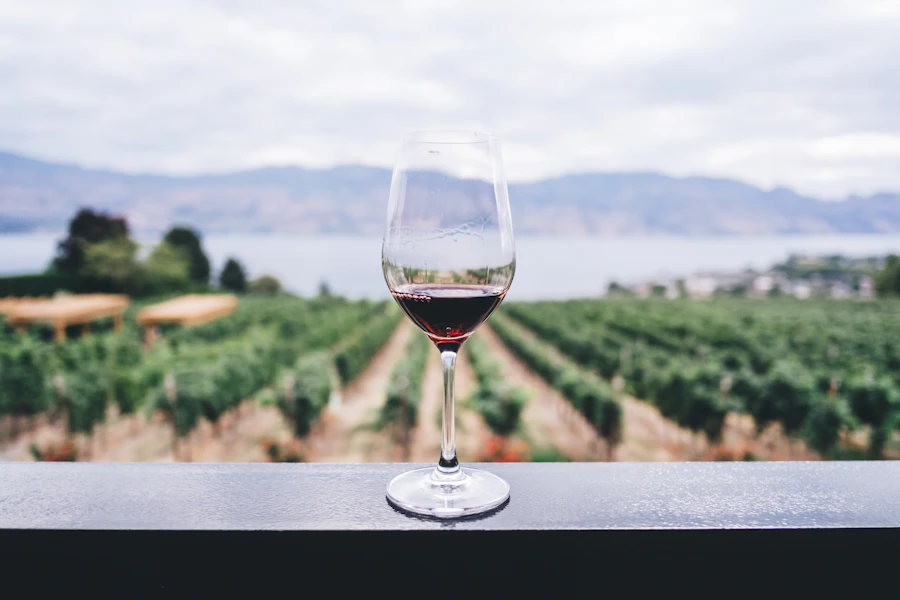
When people talk about wine, “terroir” often provides the vocabulary: soil, climate, slope and the character those conditions lend to a vineyard. Australian wine has another powerful tradition alongside that idea. Its makers have long used blending and careful maturation to build wines whose identity can extend beyond one location.
That approach is especially visible in ambitious red blends. Rather than asking one vineyard to express every note, the winemaking team can bring together fruit from different sites, varieties and harvest parcels. The result is not anonymous wine; it is a deliberate composition.
The blend is the point
Penfolds offers a useful lens for understanding this style. Its best-known blends are assembled as works of proportion and structure. Cabernet can provide shape and length, while shiraz brings generous fruit and a broader middle palate. Other components may be used quietly, to adjust perfume, texture or freshness.
The emphasis is on the finished wine. Vineyard origin still matters, but it is one part of a larger conversation that includes vintage conditions, barrel selection, maturation and the house’s preferred line of balance.
What to look for in the glass
Notice the relationship between fruit, acidity, tannin and oak. A successful blend should feel composed rather than crowded, with enough freshness to make a second sip inviting.
Australia’s advantage in the cellar
A broad geography gives Australian producers access to varied growing conditions. Cooler regions can contribute lift and aromatic detail; warmer sites can offer depth and ripe texture. Thoughtful blending turns that range into a consistent style while leaving room for vintage character.
This is not an argument against place. It is a reminder that place can be interpreted in more than one way. For some wines, the signature comes from a single hillside. For others, it emerges from the decisions that connect several landscapes in one bottle.
How to serve a structured red
Serve a full-bodied Australian blend slightly below room temperature, around 16–18°C, and give it time in a broad glass. Pair it with roast vegetables, grilled mushrooms, lamb or a dish with enough savory depth to meet the wine’s tannin. Open a younger bottle ahead of dinner; older bottles usually benefit from gentler handling.
The central lesson is simple: look for balance before fashion. Whether a label foregrounds a vineyard or a blend, the most satisfying wine is the one that carries its power with poise.