Terroir is one of wine’s most enduring ideas: the belief that a bottle carries the character of the place where its grapes were grown. It is a useful way to talk about wine, but it can become limiting when it treats place as the whole explanation.
Wine has always invited stories larger than the drink itself. Ancient cultures connected it with celebration, ritual and relief from daily cares. Today, fermentation is understood as a natural process that can also be guided by people. That knowledge does not make wine less remarkable; it makes the relationship between nature and craft more interesting.
Place is part of the picture
Climate, elevation, soil, aspect and water all influence how vines grow and how grapes ripen. Wines from different sites can show recurring differences, especially when the vineyards are farmed and harvested with care. Those differences are worth observing, comparing and describing.
Still, a vineyard does not make a finished wine on its own. Choice of vine, pruning, picking date, fermentation, vessels, blending and time in the cellar all matter. Two wines from a similar site may be recognizably different because the people making them have different aims and methods.

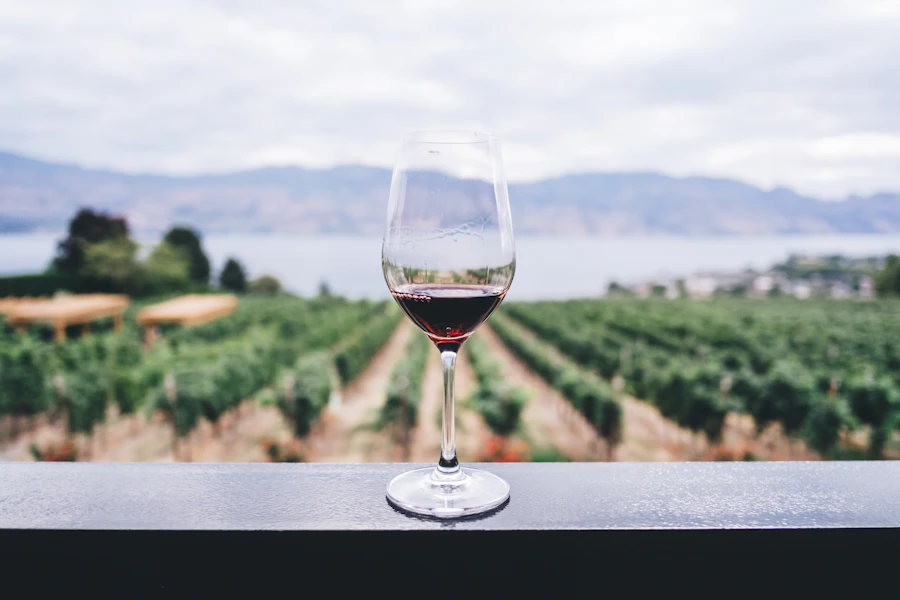
Vineyard landscapes provide context, but the finished bottle reflects many decisions. Image: Unsplash.
The history behind the idea
The modern use of terroir developed alongside efforts to distinguish fine wine from other drinks. As wine markets changed, the language of origin offered producers and drinkers a way to value distinct regions and parcels. It also gave wine a compelling identity at a time when producers needed to explain why one bottle deserved attention over another.
That history does not make terroir meaningless. It does suggest that the word carries both sensory information and cultural expectation. When someone tastes a sense of place, they may be responding to the vineyard, the winemaking, their previous experience, or all three at once.
A better way to taste
Rather than asking whether terroir is real or imaginary, it is more useful to ask what contributes to a wine’s character. Taste wines from different sites, then compare different producers from a similar site. Notice acidity, texture, aroma, structure and finish before reaching for a story about origin.
The most rewarding bottle is rarely the result of one factor alone. It is an encounter between landscape, weather, agricultural work, cellar decisions and the drinker’s own attention. Place matters—but so do the hands and minds that reveal it.