
California wine was entering a more searching period. A growing group of winemakers was questioning the assumption that bigger, riper and more powerful always meant better.
For drinkers, the shift offered a welcome possibility: a wider range of wines shaped by vineyard character, freshness and the conditions of a particular place. The most interesting bottles were beginning to ask for attention rather than announce themselves with sheer volume.
The change was not a rejection of ambition. It was a reconsideration of what ambition could mean in the cellar and the vineyard. Producers were exploring earlier picking, lower extraction and sites outside the state’s most celebrated corridors.
The New California Wine
Jon Bonné’s guide documented producers and wines that were broadening the conversation around the state’s future.
Jon Bonné · Ten Speed Press · 2013
Explore the bookstoreThe book’s value lay in its attention to the details that can disappear beneath grand tasting language: farming choices, cellar work, acidity, texture and the relationship between a vineyard and the glass.
Documenting a historic shift
For years, many American drinkers had relied on scores and familiar signals when buying expensive wine. That system rewarded intensity and consistency, but it could leave little room for wines that expressed restraint or reflected less obvious growing places.
The emerging producers worked against that narrow template. Some revived neglected vineyards in marginal areas; others built small operations in spare industrial spaces or assembled fruit from growers willing to take a different approach. Their work shared a willingness to experiment and a preference for drinkability.
More than one kind of California wine
Wine is not defined by alcohol alone, and balance cannot be reduced to a number. Still, the debate about ripeness and strength helped expose a larger question: should a wine be designed for immediate impact, or should it invite a meal, a second glass and a sense of place?
The answer, increasingly, was both personal and regional. Producers such as Steve Matthiasson, Tegan Passalacqua and Ted Lemon became associated with a more detailed conversation about farming, texture and restraint. Their examples suggested that California’s future could include many approaches rather than one dominant model.
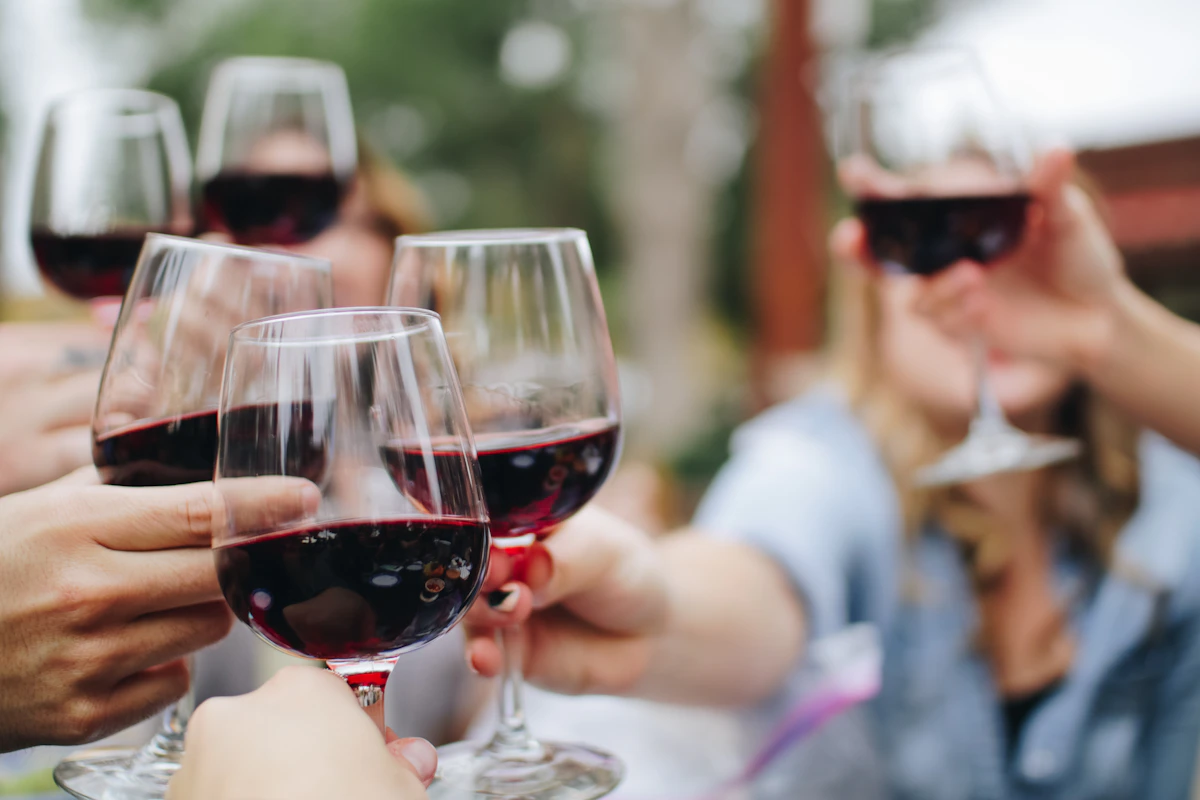
That curiosity was visible in the tasting rooms and shops where younger drinkers compared California bottles with wines from around the world. They were less interested in a single definition of excellence and more willing to follow acidity, texture, farming and the pleasure of drinking with food.
California’s established styles were not going to disappear. The more lasting change was the permission to look beyond them. As growers and makers continued to test the boundaries of the state’s wine identity, drinkers gained a richer map of what California could be.
Image research and article presentation updated for the Zest Daily archive. Historical claims and publication details reflect the original 2014 context.